




If your skin has started stinging at products it used to tolerate, feels tight after cleansing, or has turned red and flaky in patches. Your skin is actually asking for a simpler routine and richer support. This collection holds the barrier and hydration side of our professional shelf, from gentle cleansers through to the heavier creams people reach for at night. Start with what your skin is telling you, and filter by product type below.
 Free shipping on orders over $50!
Free shipping on orders over $50!

-
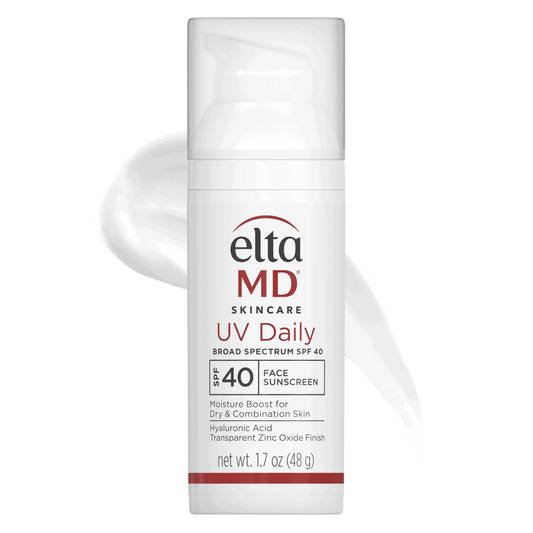
 EltaMD UV Daily Broad-Spectrum SPF 40 1.7 OZ
EltaMD UV Daily Broad-Spectrum SPF 40 1.7 OZ
Regular price $41.00 USDSale price $41.00 USD Regular priceUnit price per -
 iS Clinical Hydra-Cool Serum
iS Clinical Hydra-Cool Serum
Regular price $70.00 USDSale price $70.00 USD Regular priceUnit price per -
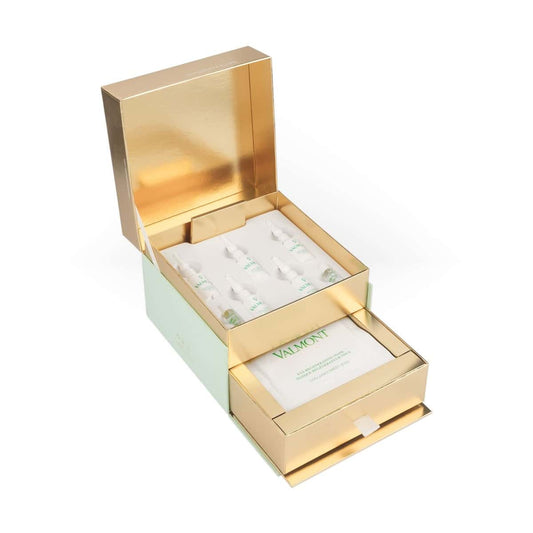
 Valmont EYE REGENERATING MASK TREATMENT
Valmont EYE REGENERATING MASK TREATMENT
Regular price $425.00 USDSale price $425.00 USD Regular priceUnit price per -
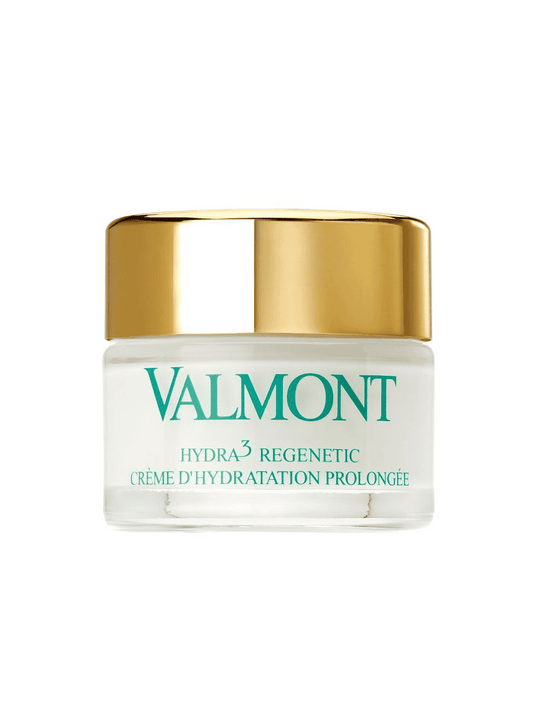
 Valmont Hydration Hydra3 Regenetic Cream Prolonged Hydration Cream
Valmont Hydration Hydra3 Regenetic Cream Prolonged Hydration Cream
Regular price $420.00 USDSale price $420.00 USD Regular priceUnit price per -
 iS Clinical Daily Dynamic Hydrator - Lightweight Daily Moisturizer
iS Clinical Daily Dynamic Hydrator - Lightweight Daily Moisturizer
Regular price $135.00 USDSale price $135.00 USD Regular priceUnit price per -
 SkinMedica Hydra Collagen Hydrator - 1.7 oz
SkinMedica Hydra Collagen Hydrator - 1.7 oz
Regular price $192.00 USDSale price $192.00 USD Regular priceUnit price per -
 iS Clinical Retinol+ Emulsion 0.3 1Oz
iS Clinical Retinol+ Emulsion 0.3 1Oz
Regular price $117.00 USDSale price $117.00 USD Regular priceUnit price per -
 iS Clinical Cream Cleanser 4Oz
iS Clinical Cream Cleanser 4Oz
Regular price $52.00 USDSale price $52.00 USD Regular priceUnit price per -
 iS Clinical Moisturizing Complex 1.7Oz
iS Clinical Moisturizing Complex 1.7Oz
Regular price $106.00 USDSale price $106.00 USD Regular priceUnit price per -
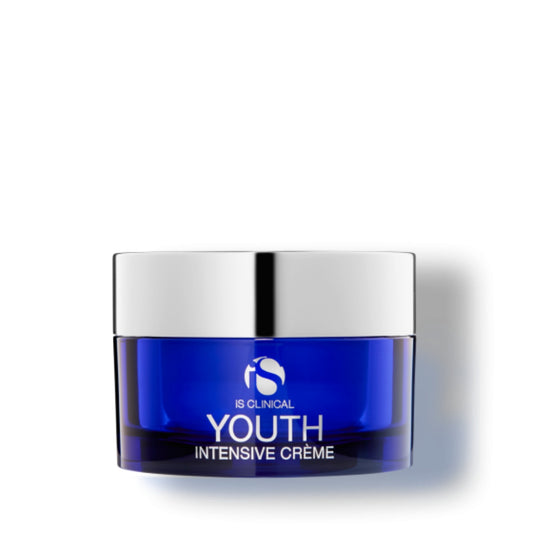
 iS Clinical Youth Intensive Creme
iS Clinical Youth Intensive Creme
Regular price $256.00 USDSale price $256.00 USD Regular priceUnit price per -
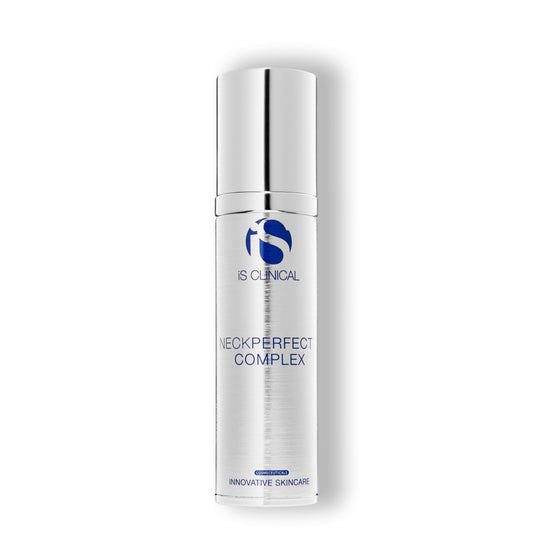
 iS Clinical NeckPerfect Complex
iS Clinical NeckPerfect Complex
Regular price $120.00 USDSale price $120.00 USD Regular priceUnit price per -
 SkinCeuticals Phyto Corrective Gel - Soothing Hydrating Serum.Sold out
SkinCeuticals Phyto Corrective Gel - Soothing Hydrating Serum.
Regular price $85.00 USDSale price $85.00 USD Regular priceUnit price perSold out -
 SkinCeuticals Triple Lipid Restore 2:4:2 Anti-Aging CreamSold out
SkinCeuticals Triple Lipid Restore 2:4:2 Anti-Aging Cream
Regular price $155.00 USDSale price $155.00 USD Regular priceUnit price perSold out -
 SkinCeuticals Antioxidant Lip RepairSold out
SkinCeuticals Antioxidant Lip Repair
Regular price $46.00 USDSale price $46.00 USD Regular priceUnit price perSold out -
 SkinCeuticals Emollience Dry Skin MoisturizerSold out
SkinCeuticals Emollience Dry Skin Moisturizer
Regular price $85.00 USDSale price $85.00 USD Regular priceUnit price perSold out -
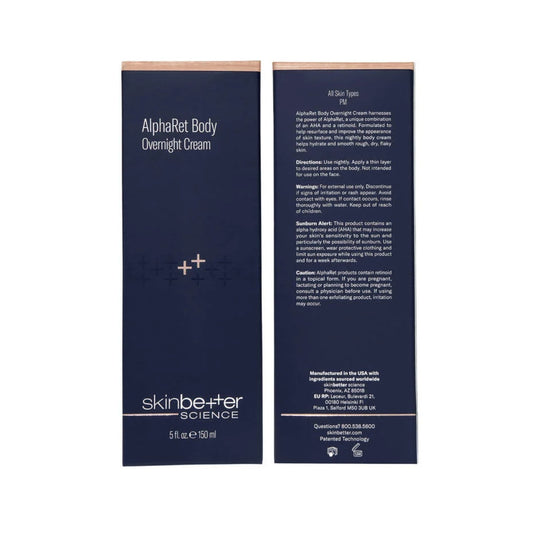
 Skinbetter AlphaRet Body Overnight Cream 150 mLSold out
Skinbetter AlphaRet Body Overnight Cream 150 mL
Regular price $140.00 USDSale price $140.00 USD Regular priceUnit price perSold out
Barrier repair creams and moisturisers
Hydrating toners
Hydrating serums
Why Shop at Nava Beauty
Frequently Asked Questions
The usual signs are redness, tightness, roughness and breakouts, which is how Epionce describes a barrier under strain. Most people notice it in smaller ways first. A product that never used to sting starts to sting. Skin feels tight the moment you have patted it
dry. Patches flake, and small bumps settle in and stay. The clearest signal of all is skin reacting to something it tolerated last month.
Dry skin lacks oil, dehydrated skin lacks water. Dryness is a skin type and tends to be constant. Dehydration is a temporary state and can arrive on any skin type, including oily skin, which is why a shiny face can still feel tight. The two often overlap, and the routines differ: dry skin wants richer lipids, dehydrated skin wants water held in place.
Most people pause them, and reintroduce them one at a time. Epionce advises against exfoliating too frequently and against harsh products that strip natural oils. A common approach is to strip the routine back to cleanser, hydrating step and moisturiser for a couple of weeks, then bring back one active, wait, and judge before adding the next. Speak to your own practitioner about anything prescribed.
Yes, and the lighter textures are the place to start. Oily skin can be dehydrated and can have a strained barrier, and skipping moisturiser tends to make both worse. iS Clinical positions its hydration range as working without heaviness or congestion, and
Alastin describes its lighter moisturisers as providing lightweight hydration. Gel and fluid textures over balms.
Lighter textures sit under makeup without trouble, and the richest ones usually do not. Barrier creams are heavier than an everyday moisturizer, so the thickest sit better at night than under foundation. If you wear makeup, use a lighter texture in the morning and keep the rich one for bedtime. Give it two or three minutes to absorb before foundation, and use less than you think you need. Most pilling comes from too much product applied too quickly, rather than from the cream itself.
A cream that feels tacky at 8am often feels comforting at 10pm. This is the question we are asked most in the store, and texture preference is personal, so it is worth starting with a size you are not committed to.
 Newsletter